



Step One: Strategic Alignment and Goal Setting
Like all journeys, capital planning begins with agreeing on where you want to go. Before an organization does anything else, it should set clear goals and objectives — give itself a mission to accomplish. With a shared strategic vision to strive for, everyone can move in the same direction.
Step Two: Identify Needs
The next step in capital planning is to take a clear-eyed look at your assets to identify current needs.
The best way to evaluate your current state is by conducting a facility condition assessment (FCA) to collect data on maintenance needs, code issues and ongoing operational requirements. Gordian offers four types of facility assessments varying in granularity that our customers can match to the age, use and strategic importance of their physical assets.
Every Gordian assessment uses RSMeans™ Data, the most trusted construction cost database in the construction industry, so organizations can be assured the data they generate is accurate and up-to-date.
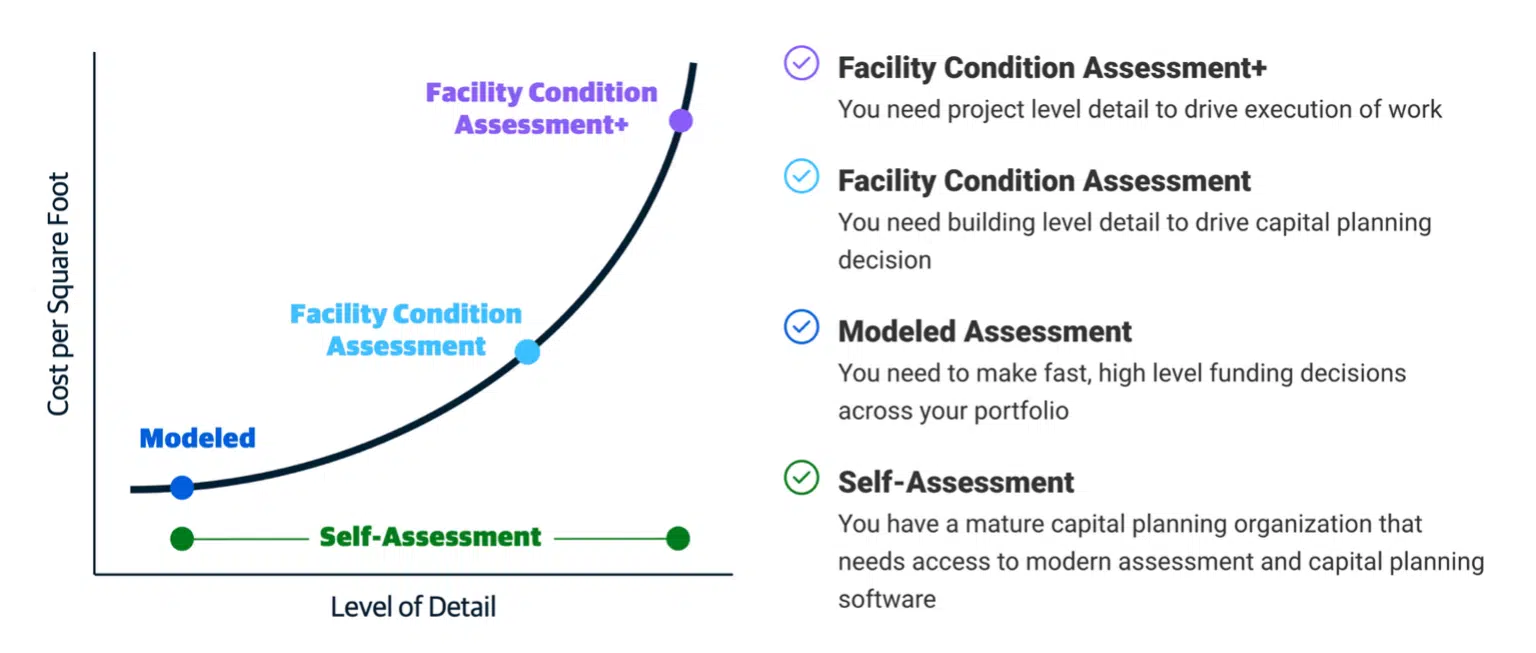
These assessments identify deferred maintenance needs and quantify the facilities risks with the potential to derail your organization from achieving its goals. But they should not be the sole sources of information. Supplementing this data with the observations and experiences of facilities staff paints a fuller picture of asset performance.
Step Three: Project Ideation and Development
At this point in the journey, an organization knows where it wants to go and what it needs to do get there. Now’s the time to start thinking about how to reach the destination. Think of this as a structured brainstorm, informed by organizational goals, facility assessment data and staff experience.

At the end of this exercise, an organization should have a list of potential projects. However, an enormous and daunting project list can stifle action, which is why Gordian recommends grouping assets into portfolios based on function and priority. Portfolios help decision-makers focus their efforts on outcomes and create a clear rationale for investment.
In the next step, an organization narrows what it could do to what it can afford to do.
Step Four: Estimate Costs
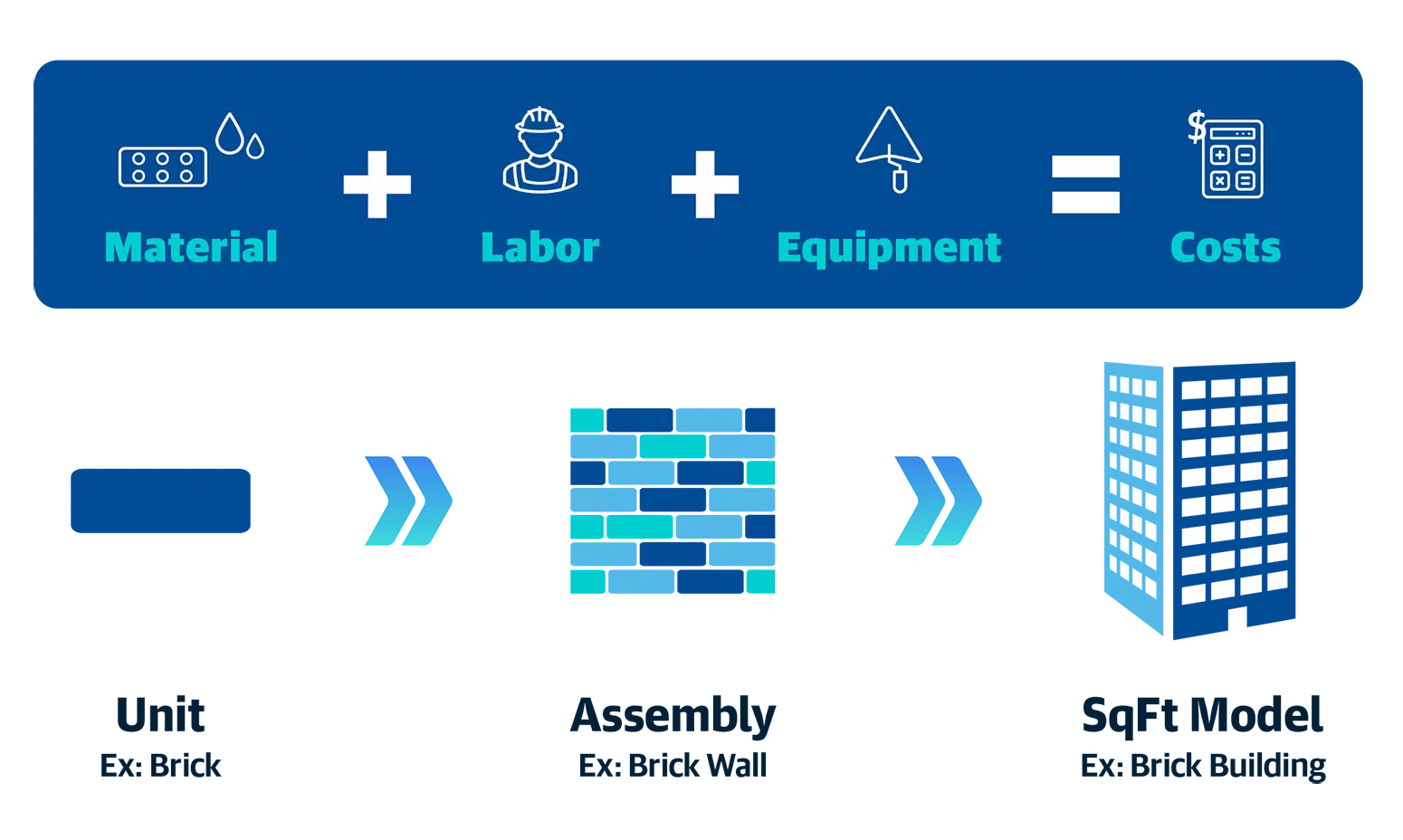
Whether planning a trip or capital planning, it’s easy to let your eyes get bigger than your wallet. But at some point, you have to reckon with your financial limitations and make difficult decisions about where to invest. Given the consequences of every spending decision and the increasing pressure on budgets, it is vital to have reliable data for estimating short-term and long-term costs.
That’s where Gordian’s RSMeans™ Data can help with 92,000 unit line items informed by over 30,000 hours of annual cost research and localized to over 970 locations across North America.
Step Five: Prioritize and Rank Projects
At this point in the journey, an organization has created a long list of projects and their associated costs. Now, is time to chart a path forward. To maintain objectivity and advance the organization to its goals, the planning team devises a scoring system to rank projects and prioritize them within a five-year window. Scoring systems differ from one organization to the next, and they should, as different entities have different goals.

Multiplying the scores from each category creates priorities based on goals and long-term needs. Scores can be applied at the asset or portfolio level and should be revisited often to reflect changes in organizational mission and user need, keeping the plan relevant and fresh.
Ranking projects isn’t an activity that should be done with spreadsheets. Software solutions like Gordian’s Assessments and Capital Planning enable teams to be nimble and thorough in their pursuit of the best path forward. Project scoring, “What if?” scenarios that model different funding and strategy approaches and other robust tools allow organizations to explore possibilities before agreeing on a realistic capital plan that has buy-in and staying power.
Step Six: Identify Funding and Budgeting
An organization often has several funding sources at its disposal, including:

Step Seven: Approval and Governance
At this point in the capital planning journey, an organization knows what it wants to achieve and why, the projects required to reach its destination and the funding sources available to finance the work. Next, they need to get the greenlight to move forward and develop a framework for keeping the plan on track.
Approval
Getting formal authorization or approval to move forward from a Board of Trustees or other decision-making body tends to be a long process that includes introducing and generating support for an initial concept, making a business case for investment and, lastly, earning final approval.
Governance
This refers to the long-term work of developing a framework of rules, processes and controls regarding the capital plan, and ensuring that framework is followed.


Step Eight: Construction Procurement and Project Delivery
At long last, it is finally time for construction. There are several ways to get projects done, and savvy organizations make strategic decisions about which delivery method to use for which projects.
When it comes to routine, operational work, many organizations are finding repeated success with Gordian’s Job Order Contracting (JOC) solutions. Flexible, efficient and always competitively-bid, JOC enables many projects to be completed with a single contract. Available as custom, standalone contracts or as shared contracts available from cooperative purchasing associations and other entities, JOC shrinks the procurement cycle by as much as 25% and eases the administrative burden of purchasing construction work. No matter how organizations choose to complete construction projects, they should seek trusted partners with excellent references and a track record of success.
Step Nine: Monitoring and Reporting
A subset of the planning team should be assigned to keep tabs project progress. These monitors remove obstacles to keep work moving toward a deadline and adjust plans when delays inevitably occur. When projects finish, they report on specifics, (total costs, outcomes achieved, etc.) and how the completed project furthers the organization toward its goals.
Step Ten: Performance Measurement and Asset Management
With all the time, effort and expense that goes into the capital planning journey, it would be malpractice not to evaluate the outcomes achieved.

Performance measurement is critical because it creates a natural feedback loop, improves the accuracy of future plans and encourages better discipline and ongoing governance over spending.
Finally at the end of the capital planning journey, organizations deploy their resources on proper upkeep and maintenance, so their facility investments continue paying off well into the future.