
5 Reasons Transparency in Construction Procurement is Important
It’s important for public agencies to establish transparency in construction procurement. Here are five key reasons why.


It’s important for public agencies to establish transparency in construction procurement. Here are five key reasons why.

Public procurement offices are working to develop and achieve Diversity, Equity and Inclusion (DE&I) goals. But the pursuit of equity is about more than changing a few business practices: It requires a shift to a DE&I culture. Read this blog post for advice about making that shift happen.
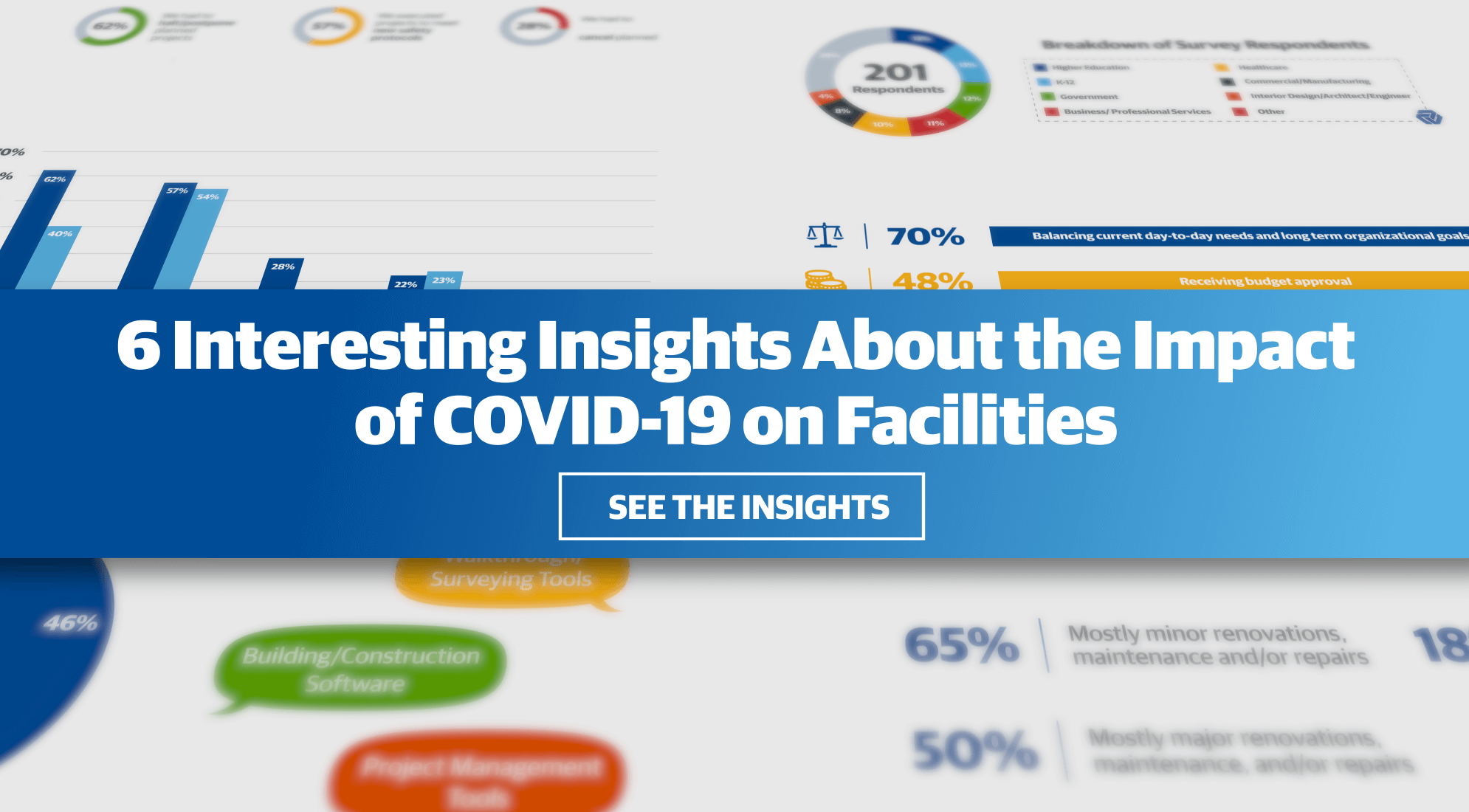
In partnership with Facility Executive, read how the pandemic has impacted the funding and completion of construction projects.

An important step in the Job Order Contracting (JOC) process is the Price Proposal review, where project owners agree to the work a contractor will do. In this post, Gordian Account Managers reveal four tips for reviewing a JOC Price Proposal successfully.

As governments feel pressure to build equitable communities, meeting and exceeding Diversity, Equity and Inclusion (DE&I) goals are becoming an area of focus for public procurement officials. Read this blog post for tips for meeting DE&I goals via construction contracting.

Transparency is not merely accounting for each dollar spent. It’s the ability to prove that each dollar was spent in the manner it was intended to be spent, according to the agreed project scope. Here are five ways to improve transparency in public construction procurement.
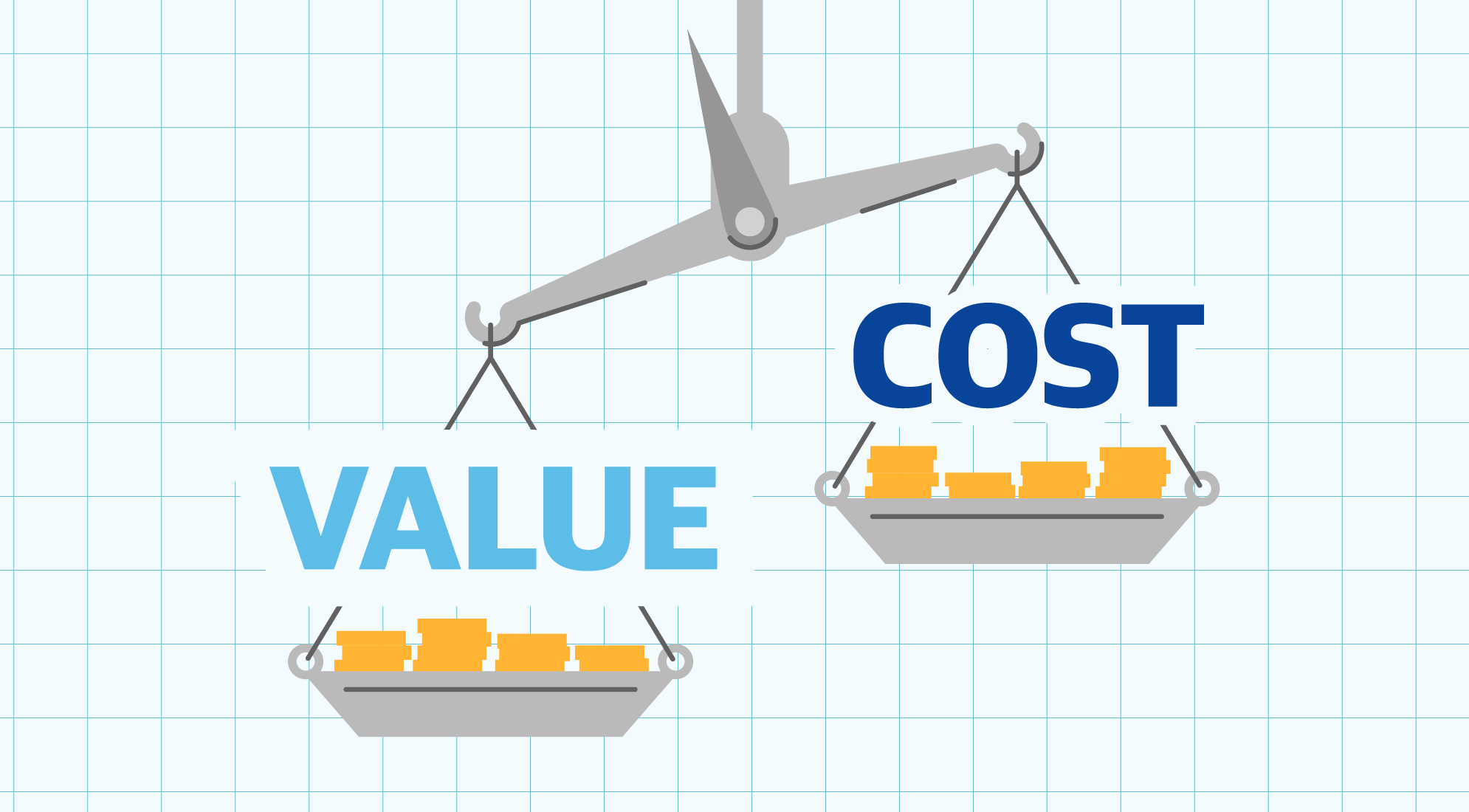
Best value source selection refers to awarding a contract based on the value of services the Federal government will receive from the awarded contractor.
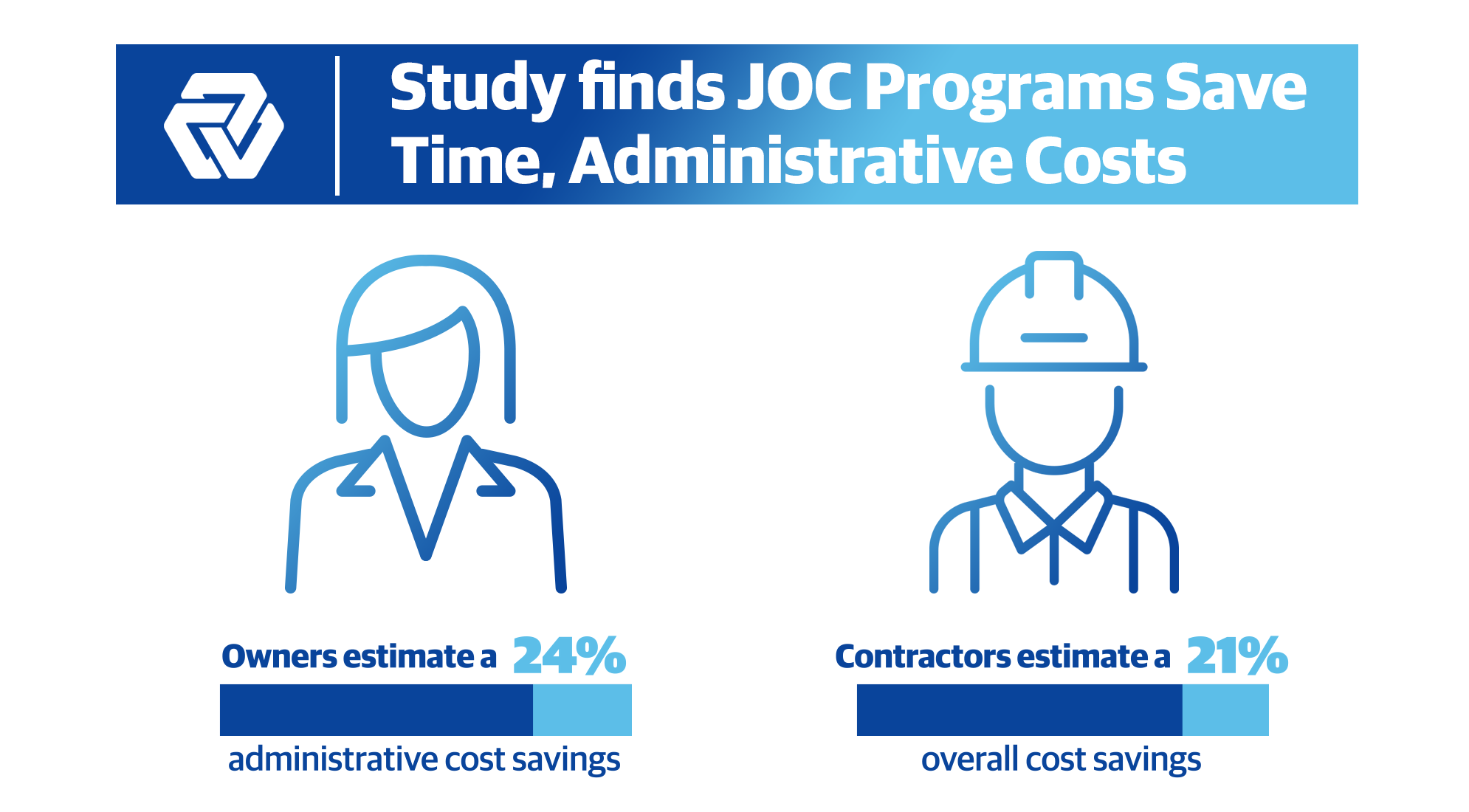
In 2015, the Performance Based Studies Research Group from Arizona State University’s (ASU) Del Webb School of Construction recently completed a study examining the Job Order Contracting (JOC) construction project delivery method. See a summary of what researchers discovered about JOC programs.

Find out why value-based construction is a strategic fit for the facilities requirements of small-cap projects within the healthcare industry.
In this edition of What the Data Says, we’re taking a look at the extraordinary rise in structural steel costs. Over the past several months, we have become accustomed to volatility in this commodity’s pricing but the latest increase is unprecedented. The price of structural steel has increased 91% since the last quarter of 2020, rising 45% in the past quarter.