

3 Good Reasons to Use Current Construction Cost Data
Here are three reasons why using current construction cost data is a best practice for construction professionals and project owners alike to navigate shifting material and labor markets.


Here are three reasons why using current construction cost data is a best practice for construction professionals and project owners alike to navigate shifting material and labor markets.

John Gillette discusses his efforts to improve operations and how facilities insights and data are helping him prepare to lose campus space.
Construction procurement can be a long and costly process. But it doesn’t have to be. Discover how Gordian’s Job Order Contracting solution was created and how it helps organizations competitively contract repairs, renovations and new construction faster and easier than traditional construction procurement methods.
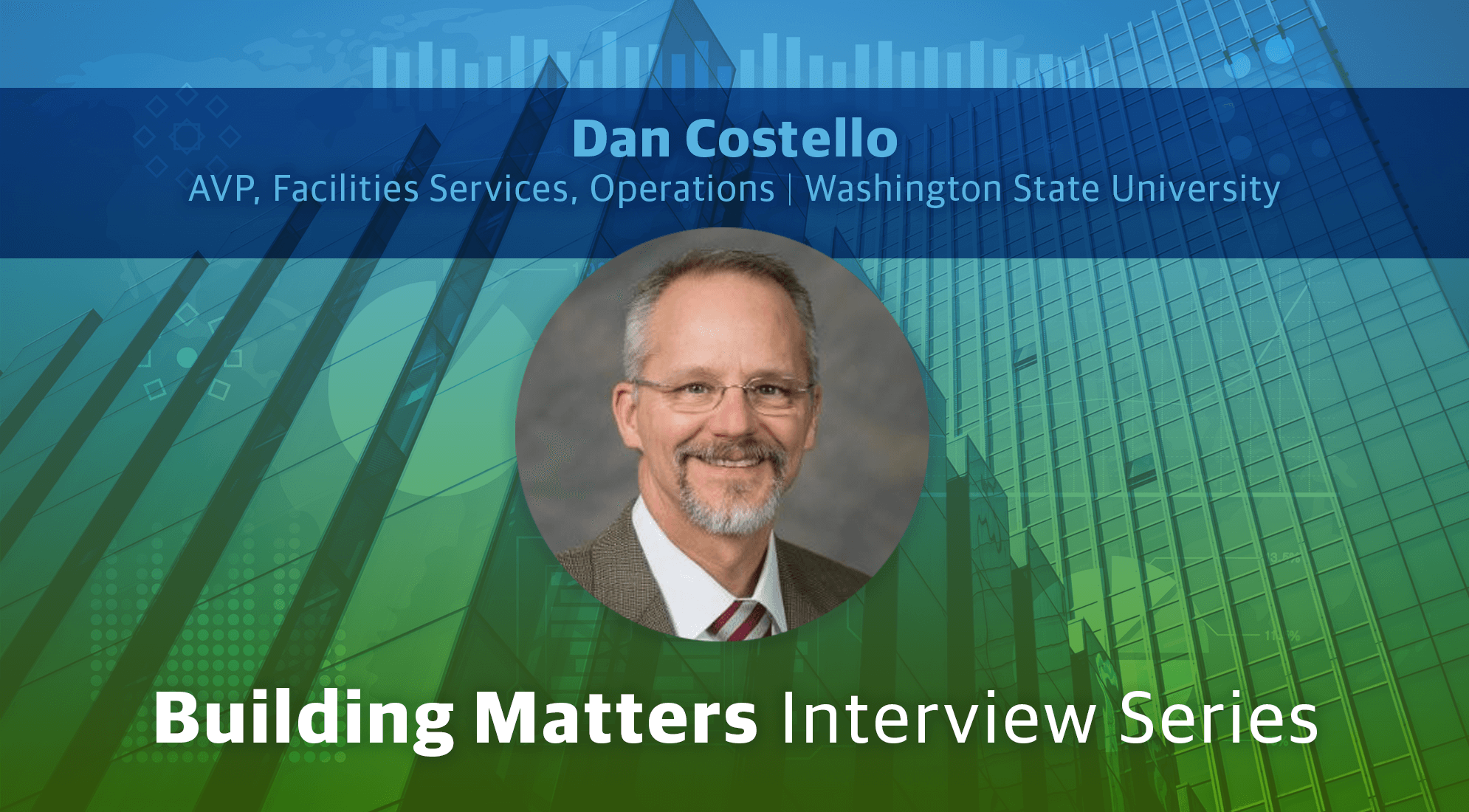
Read Dan Costellos thoughts on WSU’s strategic plans, how they overcome challenges and expresses his perspective on facility trends in higher education.

Summer isn’t just beach season — it’s peak construction season. For local, city and state officials, the planning stage of summer construction projects is already underway. Here’s what public sector professionals can do now with construction project planning to set themselves up for success in the summer.

As we prepare for a new year, we want to countdown our top ten resources for 2018, to make sure you didn’t miss out on our most popular topics and insights. We put our hard hats on, counted on the data and asked a lot of questions to provide you with more answers than ever before.

Ken Davis spent 43 years as a civilian employee for the U.S. Army at Fort Stewart, Georgia and helped install and maintain its Job Order Contracting (JOC) program. In this interview, he discusses the Army’s early use of the program and how it evolved over the years.

The Chicago Housing Authority (CHA) operates a unique program under Section 3 of the Department of Housing and Urban Development. Using Job Order Contracting (JOC), CHA issued more than $80 million of construction work in 2017 to improve living conditions for its 62,000 low-income residents. Plus, through a partnership with Gordian, the CHA is providing training, guidance, and mentorship to area contractors—some of whom are Section 3 residents themselves. CHA Chief Operating Officer Jose Alvarez discusses CHA’s Section 3 JOC program in this month’s Executive Interview.

As Director of Construction for the Pennsylvania State System of Higher Education (PASSHE), Robert Unger is responsible for guiding and assisting 14 independent universities with their facilities construction and maintenance needs. In this month’s Executive Interview, he discusses the challenges facing public universities as operating budgets shrink and student enrollment drops.

Terry Lusby, Jr. serves the Village of Tinley Park as the Facilities and Fleet Superintendent. He brings over a decade of experience in project management, and during this month’s interview series he shares insight into how he provides the 57,000 residents the best possible facilities.