
The Industry Leader in Building Intelligence™ Solutions
We empower organizations to budget smarter with RSMeans™ Data and Flash AI™ Estimating, build faster with Job Order Contracting and maintain assets with confidence through Assessments and Capital Planning. Our insights, technology and expertise help you plan, procure and optimize every step of the building lifecycle.

Annually, Gordian’s solutions are used to prepare more than 179,000 project estimates
Gordian completed more than $4B in construction volume in 2024
Every year, owners execute 33,000 projects with the help of Gordian’s construction experts
Complete Your Projects On-Budget and On-Time
Expedite your upcoming construction and maintenance needs with Gordian’s Job Order Contracting (JOC), accessible through cooperative purchasing networks and Group Purchasing Organizations (GPOs).
Enter your projectRapidly Generate High-Level Estimates With AI
Gordian Flash AI Estimating analyzes your construction documents to rapidly produce reliable cost estimates powered by RSMeans Data.
See what’s newConstruction Cost Insights Report: Q1 2026
Produced in partnership with Building Design+Construction, the Construction Cost Insights Report uses Gordian’s RSMeans Data and expert analysis from industry leaders to evaluate the latest construction material cost trends.
Get InsightsTrusted by 16,000+ Organizations Worldwide
More than 16,000 organizations worldwide rely on Gordian’s Building IntelligenceTM Solutions to successfully budget, build and maintain the capital-intensive assets their communities rely on.





Plan, Procure, Optimize:
Effectively Manage the Entire Building Lifecycle
Gordian’s accurate insights, robust technology and comprehensive expertise empower teams to effectively manage the entire building lifecycle. From prioritizing facilities needs and developing strategic plans, engaging and procuring resources to complete critical construction projects or optimizing existing assets to meet evolving needs, we have a solution that can help.

Gordian collects and analyzes more than 1.65 billion gross square feet of facilities data each year
Intelligent Capital Deployments Begin With a Clear Understanding of Facilities
Gordian’s Facilities Planning Solutions give our customers the power to prioritize needs and risks, effectively communicate project costs, generate winning strategies and develop actionable capital plans.
Fulfilling Your Promises to the Community Takes Powerful Tools and a Thorough Strategy
Gordian’s Construction Procurement Solutions enable our customers to engage local contractors, accelerate the projects that matter most and spend capital wisely and responsibly.

Gordian’s price proposal reviews save an average of 6% in construction costs

Every year, Gordian assesses more than 320 million gsf of building space
Communities Count on Safe, Reliable and Functional Facilities
Gordian’s Asset Optimization Solutions help our customers monitor and measure space, capital and operational performance to determine the best use of existing assets and meet evolving needs.
Gordian’s Latest Insights
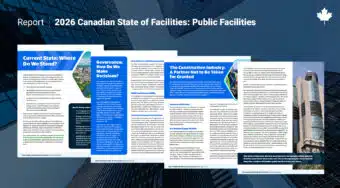
This report is a call-to-action for public sector leaders. It explores the current state of Canada’s public facilities, uncovers critical data gaps and offers bold perspectives from senior industry experts on how to transform these assets into pillars of progress for generations to come.
Access the report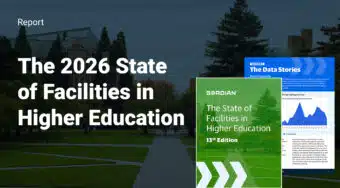
This year’s report reflects on another year of extraordinary pressure on academic communities — marked by continued college closures, tightening resources and the growing reality of the demographic cliff. Familiar challenges remain, but the data tells an evolving story.
Download now
Job Order Contracting 101 covers everything you need to know about Gordian’s Procurement Solutions. From understanding basics to accessing a program and beyond, this video playlist explains how Gordian’s JOC solutions help organizations deliver for their communities.
Watch the series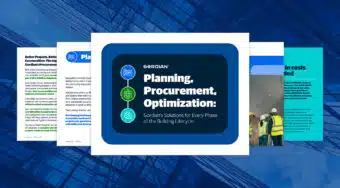
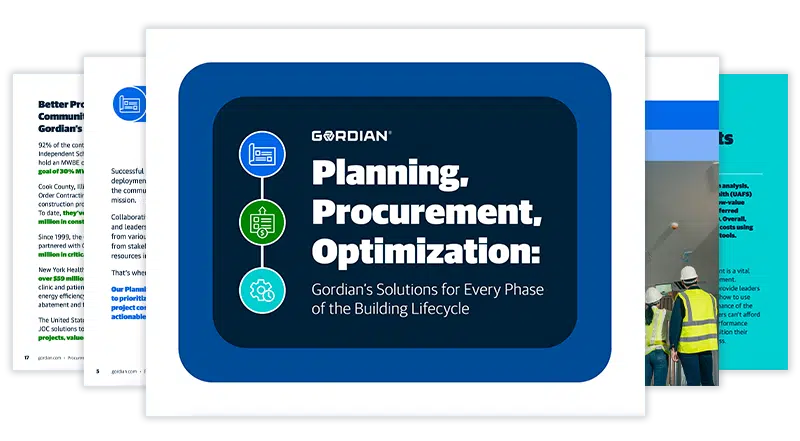
Gordian’s accurate insights, robust technology and comprehensive expertise empower organizations to effectively manage the entire building lifecycle. Download this eBook to see why leaders from multiple sectors turn to Gordian as their partner of choice.
Get the guideHero Image